Customer stories: time tracking and billing in practice
Three video interviews with customers who run project time tracking, billing and employee time tracking on time cockpit: an IT system house, an IT service provider in the Microsoft ecosystem and a bike-leasing platform in a holding. The interviews are in German; each story is summarized in English.






Why customers choose time cockpit
Three companies, three starting points: Excel lists, an in-house tool without interfaces and a paper-heavy invoicing process. Managing directors and IT leads explain what changed with time cockpit.
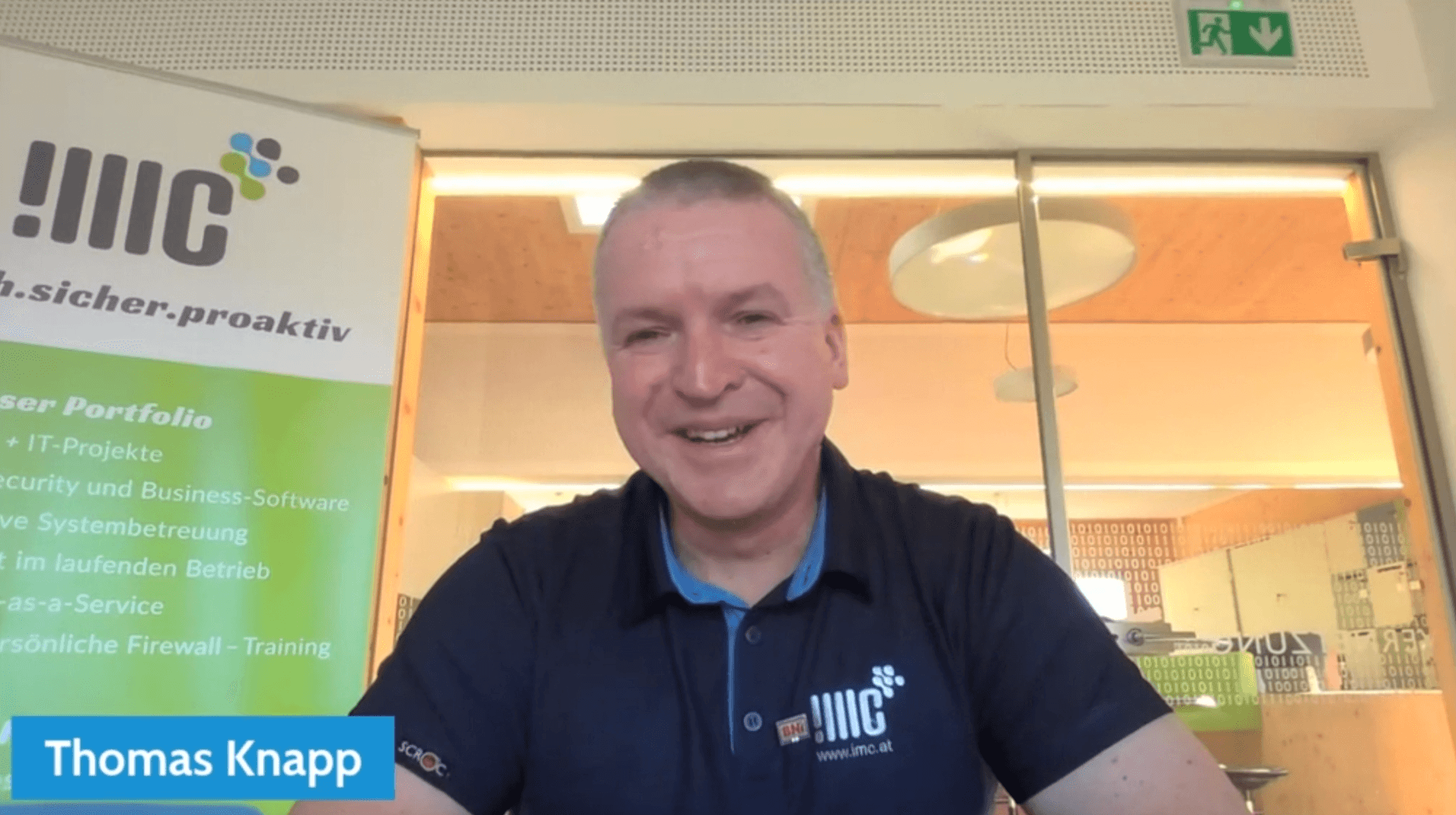
IMC: project time tracking at an IT system house
IMC is an IT system house with a team of 14 in Lower Austria, named the country’s most family-friendly small business. Managing Director Thomas Knapp explains how time cockpit secures the company’s flexitime agreement: maximum daily hours, breaks and weekly hours are checked instead of recalculated in Excel. Support tickets from Freshdesk arrive in time cockpit through an interface, hours are booked and checked there and handed to the ERP system at month end.
Result: the formerly paper-heavy invoicing process runs 100 percent digitally, and the time reports from time cockpit are attached to the invoices.
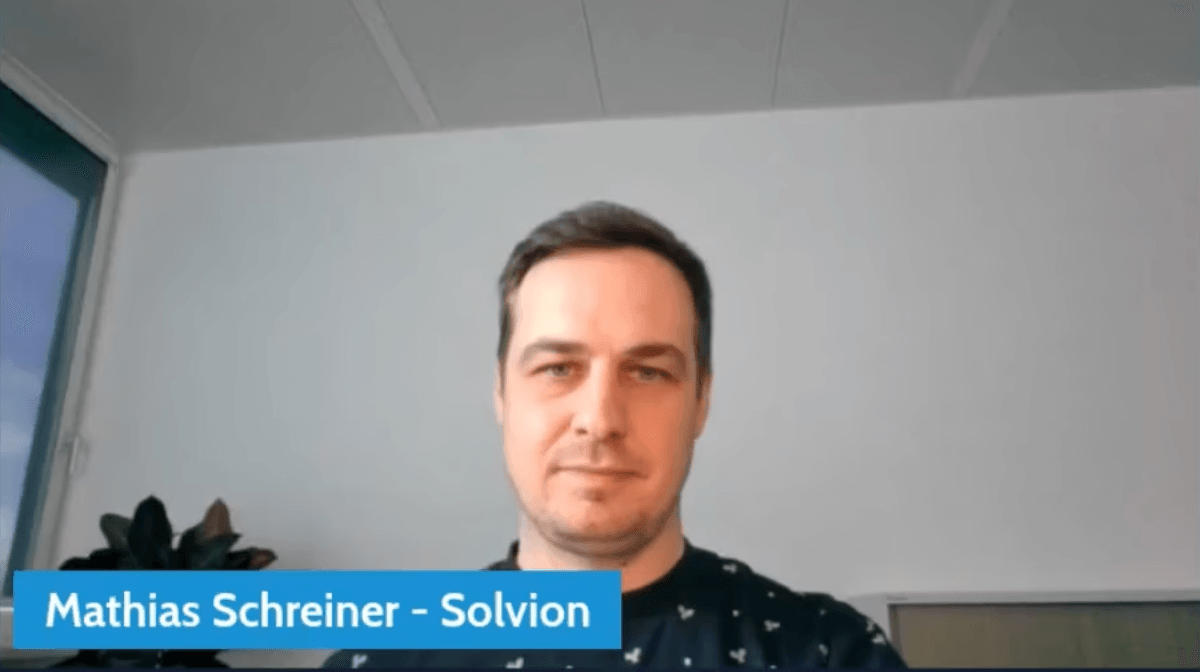
Solvion: project time tracking and invoicing in the Microsoft ecosystem
Solvion has been an IT service provider for Microsoft 365, Azure and the modern workplace since 2002. Before time cockpit, time was tracked in an in-house tool without interfaces, and invoices were created manually in Navision. IT Manager Matthias Schreiner shows how customers from Business Central, backlog items from Azure DevOps and tickets from Zendesk now arrive in time cockpit, how surcharges outside normal working hours are calculated automatically and how an approval process checks the bookings before invoicing.
Result: less internal coordination, faster invoicing and time data that feeds the data warehouse and the management of the company.

LeaseMyBike: internal cost allocation in a holding
LeaseMyBike is one of Austria’s leading bike-leasing platforms and part of the Pinoma holding with four companies. Attendance time used to live in Excel lists, and services the holding provides to its subsidiaries were allocated manually. Founder Gerhard Mayrhofer and Angelika Galos from HR and accounting describe how attendance and project time are now tracked in one tool, connected to ERP and payroll, and why the Web API was a selection criterion.
Result: the internal cost allocation is produced at month end with a few clicks, validated and with all evidence.
What the three stories have in common
None of the three companies introduced time tracking as a compliance exercise. They use it as the data basis for billing and management, and three patterns run through all interviews:
- Book time where the work happens. Tickets from Freshdesk or Zendesk and backlog items from Azure DevOps become tasks in time cockpit, so nobody records time in two systems. The Web API makes that possible.
- Check before you invoice. Flexitime rules at IMC, the approval process at Solvion, the evidence at LeaseMyBike: project invoicing builds on bookings that were verified first.
- Customize instead of bending processes. None of the three took time cockpit off the shelf. Data model, interfaces and validation rules were adapted to their own workflows, see customizable time tracking.
If your company works in a similar way, start with project time tracking or employee time tracking, try time cockpit free for 30 days, or book a free consultation in which we walk through your processes.